

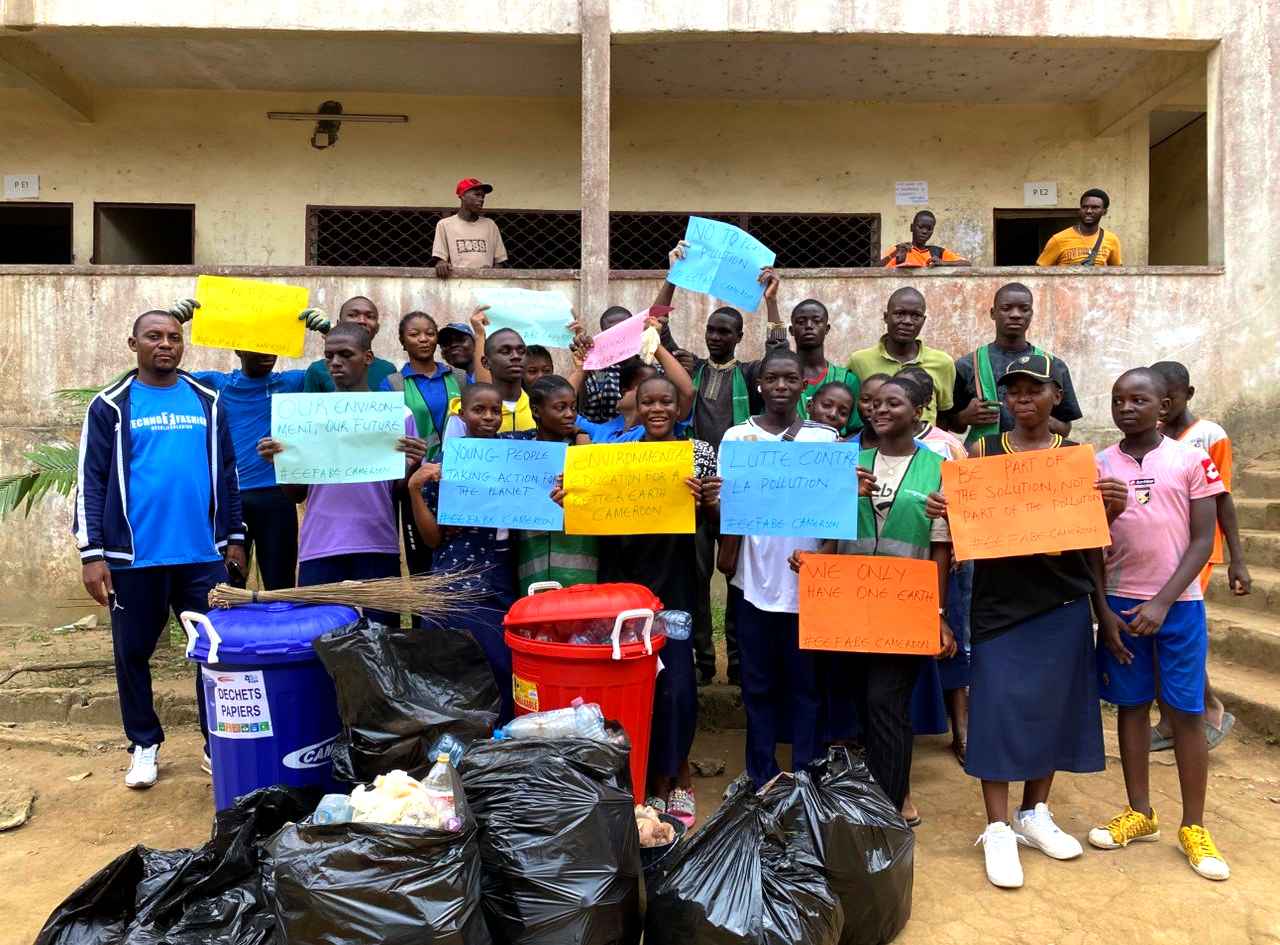
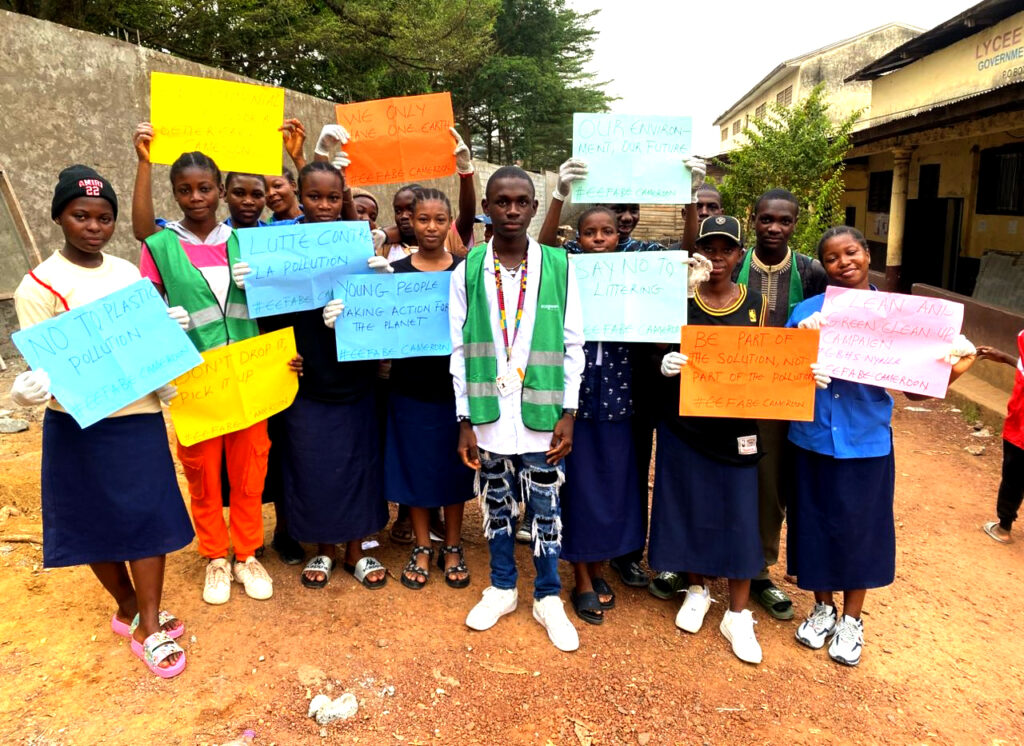
On January 10, 2026, Environmental Education for a Better Earth Cameroon (EEFABE) successfully launched the Clean and Green Clean-Up, a Plastic Waste Reduction campaign at Government Bilingual High School (GBHS) Nyalla Douala. This initiative was more than just a clean-up; it was a powerful demonstration of how youth-led action can transform school environments and inspire sustainable habits.
Why This Campaign Matters
Schools are not only centers of learning but also spaces where values and behaviors are shaped. Unfortunately, poor waste management and plastic pollution have become persistent challenges in many educational institutions, leading to health risks, environmental degradation, and diminished learning conditions. The Clean and Green Campaign was designed to address these issues head-on by combining environmental education with practical action. By engaging students directly, EEFABE aimed to instill a sense of responsibility and leadership among young people, ensuring that environmental stewardship becomes a lifelong commitment.
Objectives of the Initiative
The campaign had a clear overarching goal: to promote plastic waste reduction, environmental cleanliness and responsible waste management through youth-led action. Specific objectives included:
- Reducing visible waste pollution within the school premises
- Engaging students in practical environmental protection activities
- Raising awareness on proper waste disposal and sanitation
- Strengthening youth leadership and community participation in environmental action
These objectives reflect EEFABE’s broader mission of empowering young people to take ownership of environmental challenges and become agents of change in their communities.
Activities Implemented
The campaign was structured as a one-day school-based environmental action. Activities included:
- Mobilization and coordination of student volunteers: Forty enthusiastic students joined the effort.
- Sensitization sessions: Students were educated on the importance of waste management and its impact on health and the environment.
- Physical clean-up: Volunteers cleaned classrooms, corridors, and surrounding areas.
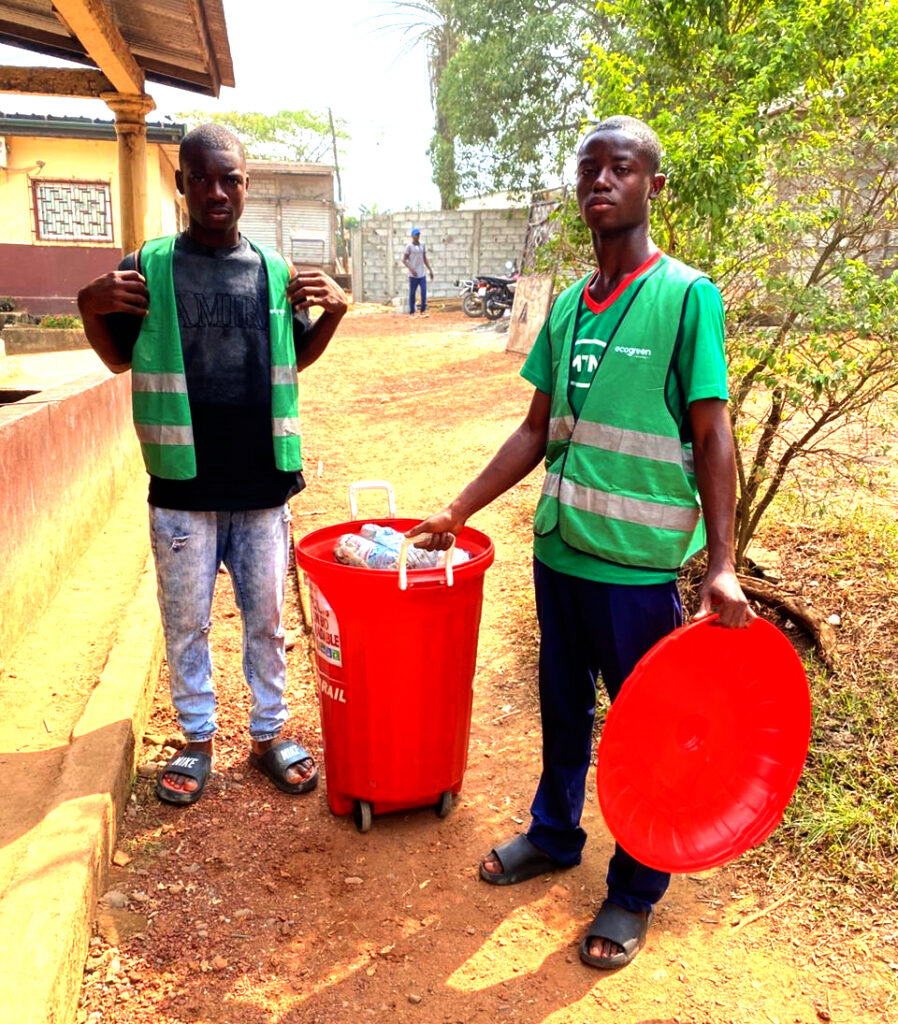
- Waste collection and segregation: Participants collected, sorted, and bagged waste, ensuring recyclable materials were separated.
- Encouragement for continuity: Students were urged to maintain cleanliness beyond the campaign day.
You might also like Fighting Plastic Pollution: A Global Crisis and Cameroon’s Local Heroes
Key Achievements
The results speak volumes:
- 40 students actively participated, exceeding the initial target of 30.
- 20 bags of waste collected, totaling 83 kilograms.
- Plastic waste accounted for 75% of the total, highlighting the urgent need for plastic reduction strategies.
- The school environment showed visible improvement, and students demonstrated teamwork and environmental responsibility.
Waste Analysis
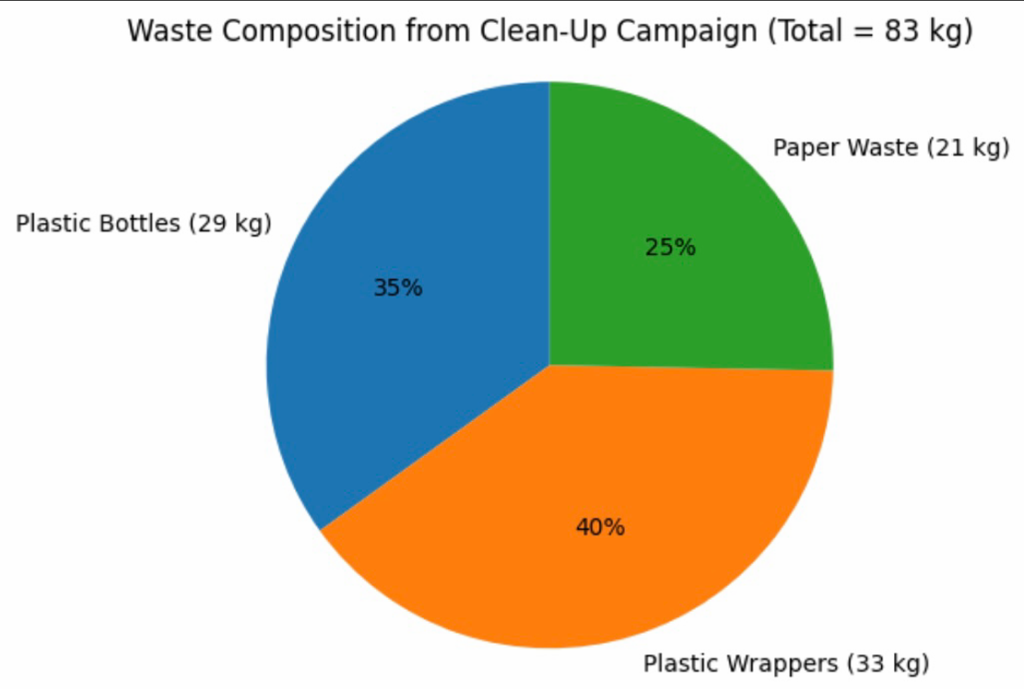
A sample-based characterization revealed:
- Plastic bottles: 29 kg (35%)
- Plastic wrappers and sachets: 33 kg (40%)
- Paper waste: 21 kg (25%)
This breakdown underscores the dominance of plastic waste in school environments and the need for targeted interventions such as recycling programs and awareness campaigns aimed at plastic waste reduction.
Challenges and Lessons Learned
Despite its success, the campaign faced challenges:
- Limited availability of cleaning tools and protective equipment
- Insufficient waste bins within the school
- Short duration of the activity, which limited coverage
However, these challenges provided valuable lessons:
- Youths are highly motivated when given leadership roles
- Practical environmental action reinforces classroom learning
- Waste segregation improves understanding of pollution sources
- School-based campaigns are effective entry points for long-term behavioral change
Sustainability and Next Steps
The campaign aligns with the UNEP Intergovernmental Negotiating Committee (INC) effort to end plastic pollution through a comprehensive, legally-binding global treaty, addressing the full lifecycle of plastics, including impacts on marine environments.
Our work reflects commitments made at UNEA‑7, where Member States adopted a resolution on Enhancing the Meaningful Participation of Youth in Environmental Processes and on Environmental Education, mandating schools worldwide to integrate environmental learning and youth leadership into curricula
To ensure lasting impact, EEFABE recommends:
- Establishing environmental clubs within schools
- Organizing regular clean-up exercises
- Continuing sensitization sessions
- Collaborating with school authorities and local councils for waste management infrastructure
- Installing additional waste bins and partnering with recycling stakeholders
Also read Local to Global: The Urgent Fight Against Plastic Pollution
A Call to Action
The Clean and Green Plastic Waste Reduction Campaign at GBHS Nyalla was more than a clean-up. It was a movement. It demonstrated that when young people are empowered, they can lead transformative change. EEFABE invites schools, communities, and partners to join in scaling up similar initiatives across Cameroon. Together, we can build cleaner, greener, and healthier learning environments for the next generation.