


Climate change is no longer a distant threat; it is a present reality affecting millions of people worldwide. Yet, the burden is not shared equally. Those in low-income communities who contribute the least to global emissions are often the ones suffering the most severe consequences. This imbalance highlights a critical truth: climate action is not only an environmental necessity but also a matter of justice. Justice: How to take Climate Action begins with acknowledging these inequalities and committing to meaningful, sustained action.
To create a fairer and more sustainable world, we must engage in the fight against climate change with sincerity, transparency, and urgency. One of the most powerful tools we have is education. Proper environmental sustainability and climate change education in schools can empower young people to understand what is happening, why it is happening, and what solutions exist. When youth are informed, they become catalysts for change, innovators, advocates, and leaders who can shape a more resilient future.
Climate change is a real phenomenon, and its impacts are visible everywhere, from rising temperatures and unpredictable rainfall to food insecurity and displacement. But these impacts are magnified in low-income communities, where resources for adaptation are limited. This is why every individual, regardless of background, must be part of the solution.
Sensitize the Population
Raising awareness remains one of the most effective ways to take climate action. Despite the increasing severity of climate impacts, climate information is still not readily accessible, especially to young people and marginalized groups. Many communities lack the knowledge needed to understand the causes of climate change or the steps they can take to protect themselves.
Public and private outreach can bridge this gap. Sensitization can take many forms:
- Participating in climate strikes and peaceful demonstrations
- Speaking in churches, mosques, and community gatherings
- Hosting workshops in schools and youth centers
- Sharing verified climate information on social media
- Organizing community dialogues and storytelling sessions
These activities help people understand the urgency of the climate crisis and inspire them to take action. Awareness is the foundation upon which all other climate solutions are built.
Also read: Gender Disparities and Climate Change on Children
Tree Planting
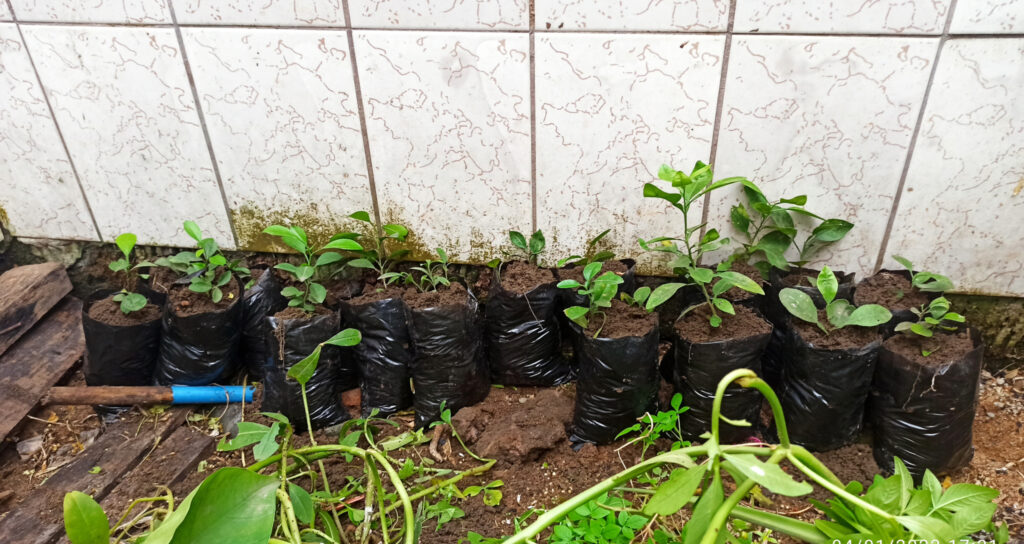
Tree planting is one of the simplest yet most impactful ways to contribute to climate action. Forests are the planet’s most effective carbon sinks. Trees absorb carbon dioxide—a major greenhouse gas responsible for global warming—and release oxygen, helping stabilize the climate.
Participating in tree planting initiatives can take many forms:
- Joining local or international environmental organizations
- Organizing community tree planting events
- Supporting reforestation projects financially
- Encouraging schools and youth groups to adopt tree planting programs
Even if you cannot physically attend a planting event, funding or promoting these initiatives still contributes to climate justice. Every tree planted is a step toward restoring ecosystems, protecting biodiversity, and reducing the carbon footprint of our communities.
Sign Petitions for Climate Justice
Petitions are powerful tools for collective action. When thousands of people unite behind a cause, decision-makers are compelled to listen. Signing petitions aimed at halting climate‑harmful activities is a direct way to influence policy and demand accountability.
A strong example is the petition that successfully halted the illegal exploitation of the Ebo Forest in Cameroon. Public pressure forced the government to suspend destructive activities and protect the forest’s biodiversity. This victory demonstrates how collective voices can drive meaningful change.
Petitions can address issues such as:
- Deforestation
- Pollution
- Fossil fuel expansion
- Environmental injustice
- Protection of endangered species
- Climate‑friendly policy reforms
By signing and sharing petitions, you help amplify urgent climate concerns and push leaders to act responsibly.
Volunteerism
Volunteerism is another powerful avenue for climate action. When individuals dedicate their time, skills, and resources to environmental causes, they strengthen community resilience and accelerate progress.
Volunteers can serve in various roles:
- Facilitators for climate education programs
- Supervisors during environmental clean‑ups
- Frontline responders during climate‑related emergencies
- Organizers of community sustainability projects
- Advocates for environmental justice.
Volunteering not only supports the planet but also builds leadership, teamwork, and a sense of purpose. It is a meaningful way to contribute to climate justice while inspiring others to do the same.
You might like: The Rising Tide: How Canada and the World Must Respond to Climate Change
Conclusion
Climate action is not reserved for scientists, policymakers, or activists alone. It is a shared responsibility that requires collective effort. From raising awareness and planting trees to signing petitions and volunteering, every action, big or small, contributes to a more just and sustainable world.
Justice: How to Take Climate Action is ultimately about ensuring that no community is left behind. When we act with intention and solidarity, we create a future where everyone has the opportunity to thrive.
Want to take climate action? Volunteer with us today.